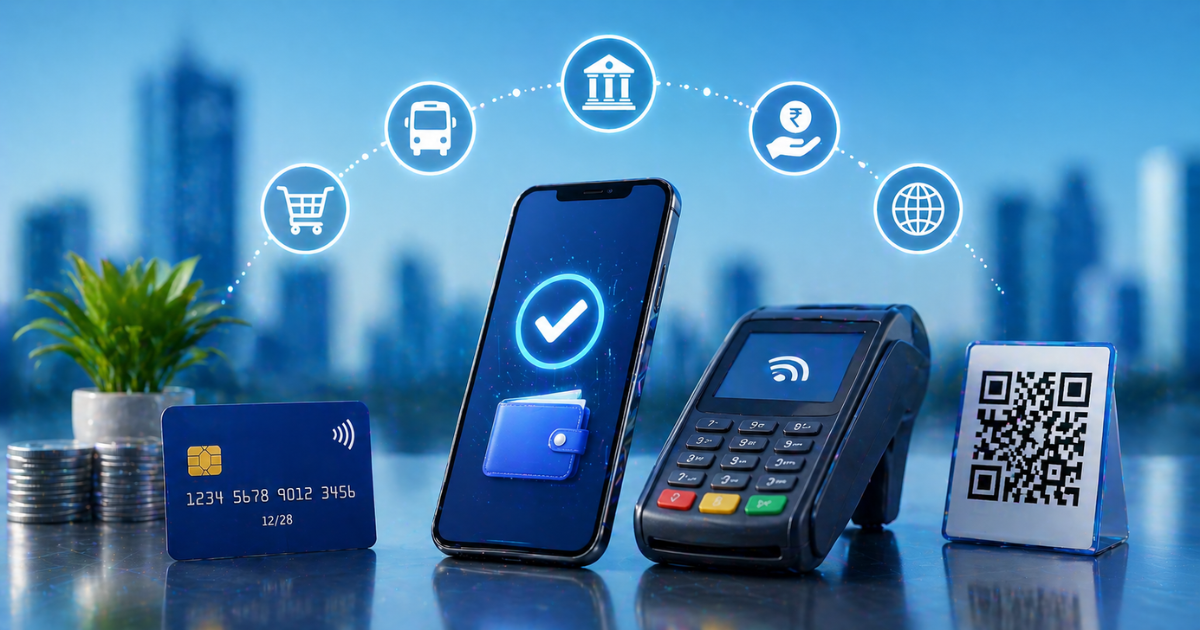


Digital payments in India have grown at an incredible pace, and users often search for UPI vs Wallet: Which Is Better to choose the right payment method. Both UPI and digital wallets offer convenience, speed, and security, but they work in different ways and serve different purposes.
Understanding UPI vs Wallet: Which Is Better is important for individuals, retailers, and businesses who want to optimize their payment experience. With fintech platforms like CREDVIA, users can access both UPI and wallet services in one place, making digital transactions easier and more efficient.
This detailed guide explains UPI vs Wallet: Which Is Better, including features, differences, benefits, and the best choice for your needs.
What is UPI
UPI (Unified Payments Interface) is a real-time payment system developed by the National Payments Corporation of India and regulated by the Reserve Bank of India.
It allows users to transfer money directly between bank accounts using a mobile device. Transactions are instant, secure, and available 24/7. When discussing UPI vs Wallet: Which Is Better, UPI stands out for its direct bank-to-bank transfer capability.
What is a Digital Wallet
A digital wallet is a prepaid payment instrument where users add money before making transactions. It can be used for payments like recharge, bill payments, and shopping.
Unlike UPI, wallets store money separately from your bank account. This difference plays a key role in understanding UPI vs Wallet: Which Is Better.
UPI vs Wallet: Which Is Better – Key Differences
Transaction Process
In the debate of UPI vs Wallet: Which Is Better, the transaction process is a major factor.
- UPI transfers money directly from your bank account
- Wallet requires adding money before making payments
UPI eliminates the extra step of loading funds, making it faster for most users.
Speed and Convenience
When comparing UPI vs Wallet: Which Is Better, both methods are fast, but UPI offers a more seamless experience because it does not require wallet balance management. Wallets can be useful for quick small payments, but UPI provides greater flexibility.
Security and Reliability
Security is a critical factor in UPI vs Wallet: Which Is Better. UPI transactions are protected by bank-level security and authentication. Wallets are also secure, but they depend on stored balance, which may limit usage if funds are insufficient.
Acceptance and Usage
Another important aspect of UPI vs Wallet: Which Is Better is acceptance.
- UPI is accepted almost everywhere in India
- Wallet acceptance is limited compared to UPI
This makes UPI a more versatile option for daily transactions.
Charges and Costs
When analyzing UPI vs Wallet: Which Is Better, cost plays an important role.
UPI transactions are generally free for users, while some wallets may charge fees for certain services such as transferring money to a bank account.
Which Is Better for Businesses
For businesses, understanding UPI vs Wallet: Which Is Better is crucial for improving customer experience.
UPI is more suitable for businesses because it allows direct bank transfers and instant settlement. Wallets can still be useful for promotions and cashback offers, but UPI remains the preferred choice for most merchants. With CREDVIA, businesses can accept both UPI and wallet payments, ensuring maximum flexibility.
read more: Still Paying Gas Bills Offline? Learn How to Pay Gas Bill Online in 2 Minutes (Step-by-Step Guide)
Why UPI is Dominating Digital Payments
The rapid growth of UPI is a key factor in the discussion of UPI vs Wallet: Which Is Better. Its ease of use, zero charges, and wide acceptance have made it the most popular payment method in India.
UPI eliminates the need for intermediaries, making transactions faster and more efficient.
When Wallets Are Still Useful
Even though UPI is leading, wallets still have their place in the UPI vs Wallet: Which Is Better comparison.
Wallets are useful for small transactions, cashback offers, and situations where users prefer to limit direct bank access. They also provide quick payments for specific services.
Why Choose CREDVIA for Digital Payments
To make the most of UPI vs Wallet: Which Is Better, choosing the right platform is essential. CREDVIA offers a complete digital payment solution.
It supports UPI, wallet services, bill payments, and more, allowing users and businesses to manage all transactions from a single platform.
Conclusion
The answer to UPI vs Wallet: Which Is Better depends on your needs, but for most users, UPI is the better option due to its speed, convenience, and wide acceptance.
However, wallets still provide value in specific use cases, making a combination of both the ideal approach. By using CREDVIA, you can enjoy the benefits of both UPI and wallet services in one place.
read more: FASTag Recharge Guide 2026: The Smartest Way to Recharge FASTag Online Without Errors or Penalties
Start Using Smarter Digital Payments Today
Upgrade your payment experience by choosing a reliable platform. Join CREDVIA today and simplify your transactions with advanced fintech solutions.
FAQs – UPI vs Wallet: Which Is Better
UPI vs Wallet: Which is better for daily use?
In most cases, UPI vs Wallet: Which Is Better favors UPI because it is faster and does not require adding balance.
Is UPI safer than wallets?
Yes, in the comparison of UPI vs Wallet: Which Is Better, UPI offers bank-level security and authentication.
Can businesses use both UPI and wallets?
Yes, businesses can use both methods, and platforms like CREDVIA support both options.
Are there any charges for UPI payments?
UPI transactions are generally free, which makes it a strong winner in UPI vs Wallet: Which Is Better.
When should I use a wallet instead of UPI?
Wallets are useful for small payments, cashback offers, and controlled spending.