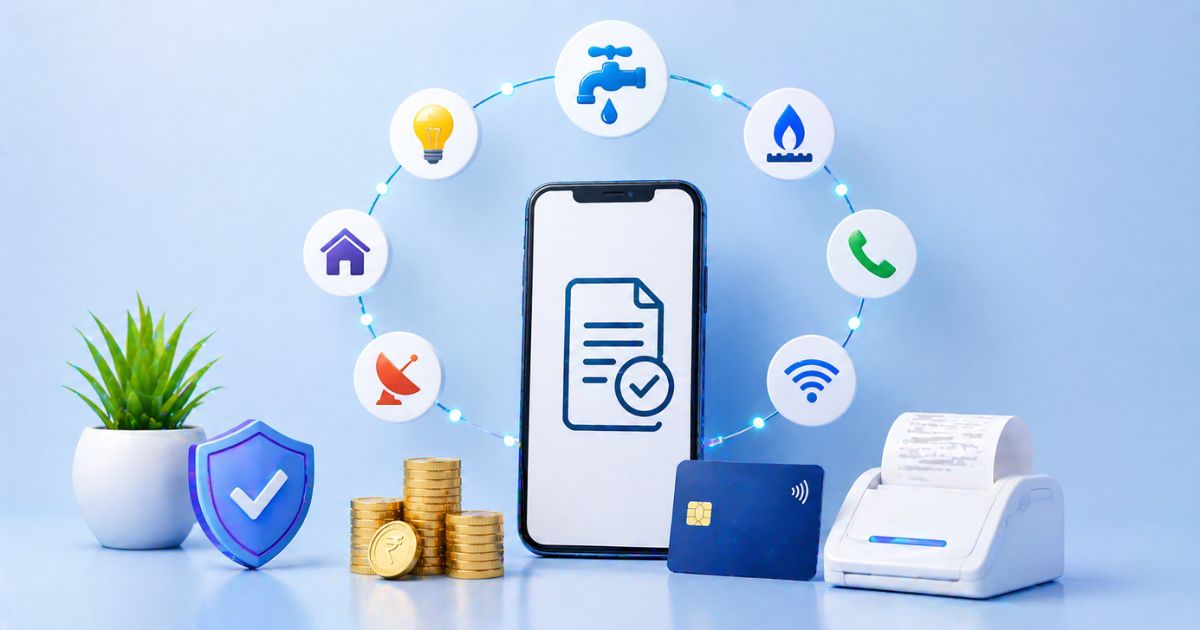


India is one of the fastest-growing digital economies in the world, and the financial technology sector is expanding at an incredible pace. This is why the topic How to Start a Fintech Business in India is gaining massive attention among entrepreneurs, investors, and small business owners.
From UPI payments to lending platforms, AEPS services to BBPS bill payments, fintech is changing how India manages money. Understanding How to Start a Fintech Business in India can help you enter a high-potential industry with long-term growth opportunities.
With trusted platforms like CREDVIA, new entrepreneurs can launch fintech-related services faster, reduce setup complexity, and scale more efficiently. This guide explains How to Start a Fintech Business in India in a fully practical and SEO-optimized way.
Why Fintech Business is Booming in India
India has seen a huge rise in smartphone users, internet access, and digital payment adoption. These factors have created strong demand for innovative financial services.
When researching How to Start a Fintech Business in India, it is important to understand that consumers now prefer faster, digital-first experiences. Businesses and individuals want instant payments, simplified lending, and easy bill management.
Government initiatives such as Digital India and strong payment infrastructure built by the National Payments Corporation of India have accelerated this growth.
What is a Fintech Business
A fintech business uses technology to provide financial services more efficiently. This can include payments, lending, insurance, wealth management, money transfer, and merchant solutions.
If you want to learn How to Start a Fintech Business in India, you must first identify which fintech category suits your skills, budget, and market demand. Examples include payment collection platforms, credit card bill payment services, wallet systems, recharge platforms, AEPS centers, and merchant QR payment solutions.
read more: Credit Card to Wallet Explained: The Smart Trick People Use to Access Instant Funds in 2026
How to Start a Fintech Business in India
Choose the Right Fintech Model
The first step in How to Start a Fintech Business in India is selecting a business model with real demand. Your model should solve a common customer problem.
Popular fintech business models include payment services, merchant UPI solutions, BBPS bill payments, money transfer services, and retailer networks. Selecting the right niche improves your chances of success.
Many new entrepreneurs begin with service aggregation models because they require lower investment and faster launch timelines.
Understand the Market and Target Audience
The next step in How to Start a Fintech Business in India is understanding who your customers are. Some businesses target urban online users, while others focus on retailers and rural markets.
You should study customer pain points, payment habits, and competitor weaknesses. A business built on real market demand grows faster than one based only on trends. Researching search demand for terms like digital payments, merchant services, and bill payment business can help shape your strategy.
Register Your Business Legally
When learning How to Start a Fintech Business in India, legal structure is essential. You may register as a proprietorship, partnership, LLP, or private limited company depending on your growth goals.
A professional business structure helps with banking, taxation, partnerships, and long-term credibility. It also improves investor confidence if you plan to raise funds later.
Proper documentation from the beginning reduces future compliance issues.
Build a Strong Technology Platform
Technology is the foundation of How to Start a Fintech Business in India. Your platform should be secure, fast, mobile-friendly, and easy to use.
Customers expect instant responses, smooth onboarding, and reliable transactions. A weak platform damages trust quickly. This is why many entrepreneurs partner with experienced providers like CREDVIA to access ready fintech infrastructure and scale faster.
Focus on Compliance and Security
A major part of How to Start a Fintech Business in India is trust. Financial services require strong compliance systems and secure transaction processes. Your business should follow applicable rules, customer verification requirements, and data protection standards. Users only stay with platforms they trust.
Security systems such as encrypted payments, verified onboarding, and fraud monitoring are critical for long-term success.
Best Fintech Niches in India
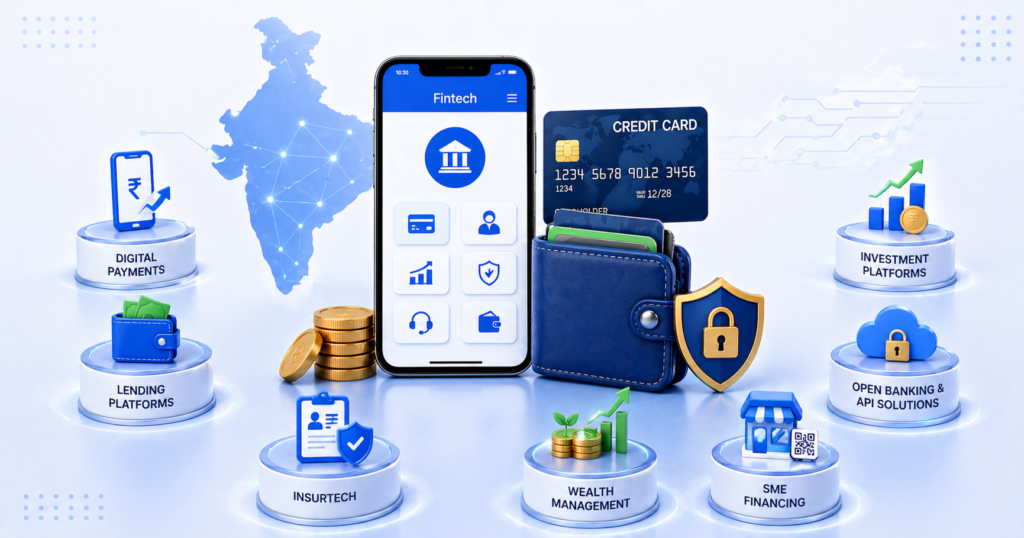
If you are exploring How to Start a Fintech Business in India, choosing a growing niche can make expansion easier.
- UPI merchant payment solutions
- BBPS bill payment services
- AEPS retailer services
- Credit card bill payment platforms
These niches are growing because they solve daily payment needs and create recurring transactions.
How CREDVIA Helps New Fintech Entrepreneurs
Many people researching How to Start a Fintech Business in India want faster entry into the market. This is where CREDVIA becomes valuable.
It offers access to multiple digital services such as payments, retailer onboarding, utility payments, and financial solutions through one ecosystem. This reduces operational complexity and allows entrepreneurs to focus on customer growth. Instead of building every system from zero, you can scale with existing fintech infrastructure.
Revenue Model in Fintech Business
Understanding revenue is crucial in How to Start a Fintech Business in India. Most fintech businesses earn through transaction commissions, subscription fees, merchant services, or value-added products.
A payment-based model can generate recurring income because customers make transactions regularly. Merchant tools and business dashboards can create premium upsell opportunities. The best fintech companies combine multiple revenue streams rather than depending on one source only.
Marketing Strategy for Fintech Growth
Even the best platform needs visibility. A key part of How to Start a Fintech Business in India is strong digital marketing.
Use SEO, local search visibility, referral systems, social media trust-building, and retailer partnerships. Content marketing around payments, UPI, bill payments, and business income topics can attract organic traffic. This is where professional fintech branding matters. Trust-driven content converts better than aggressive advertising.
Common Challenges in Fintech Business
Every entrepreneur researching How to Start a Fintech Business in India should understand common obstacles. Customer acquisition can be expensive if your offer is unclear. Technical downtime can damage trust. Poor support can increase churn.
The solution is a reliable platform, clear pricing, fast support, and continuous improvement. Businesses that focus on service quality grow stronger over time.
Future of Fintech in India
The future of How to Start a Fintech Business in India looks extremely promising. India continues to adopt digital payments at scale, and consumers now expect instant finance experiences.
Emerging opportunities include embedded finance, AI-based lending, smart merchant tools, and integrated payment ecosystems. Entrepreneurs entering now can still capture significant market share if they execute well.
Why Trust Matters Most
When people search How to Start a Fintech Business in India, they often focus only on technology. But trust is the real growth engine.
Users trust brands that provide clear pricing, fast service, transparent support, and secure transactions. This is why platforms like CREDVIA position themselves around reliability and scalable service delivery. In fintech, trust becomes recurring revenue.
Conclusion
Learning How to Start a Fintech Business in India gives you access to one of the most exciting business opportunities of this decade. With growing digital adoption, supportive infrastructure, and rising consumer demand, the market is full of potential.
Success depends on choosing the right niche, building trust, using strong technology, and executing consistently. With support from CREDVIA, entrepreneurs can launch faster and grow smarter.
read more: Stop Paying Late Fees: How to Pay Credit Card Bills Easily in 2026 Without Missing a Due Date
Start Your Fintech Journey Today
If you want to build a modern business in a high-growth sector, now is the best time to act. Join hands with CREDVIA and begin your journey into India’s expanding fintech ecosystem.
FAQs – How to Start a Fintech Business in India
How to Start a Fintech Business in India with low investment?
You can start by choosing a service-based model such as payments or bill collection and using existing infrastructure platforms.
Is fintech profitable in India?
Yes, fintech is growing rapidly due to digital adoption, recurring transactions, and increasing merchant demand.
Which fintech niche is best in India?
UPI payments, BBPS services, AEPS, merchant solutions, and credit card payment services are strong options.
Do I need technical knowledge to start?
Not always. Many founders use partners like CREDVIA for technology and operations.
How long does it take to launch a fintech business?
This depends on your model, but partnership-led service businesses can launch much faster than building from scratch.